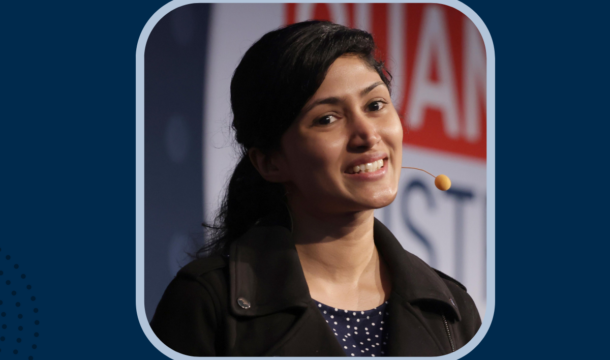
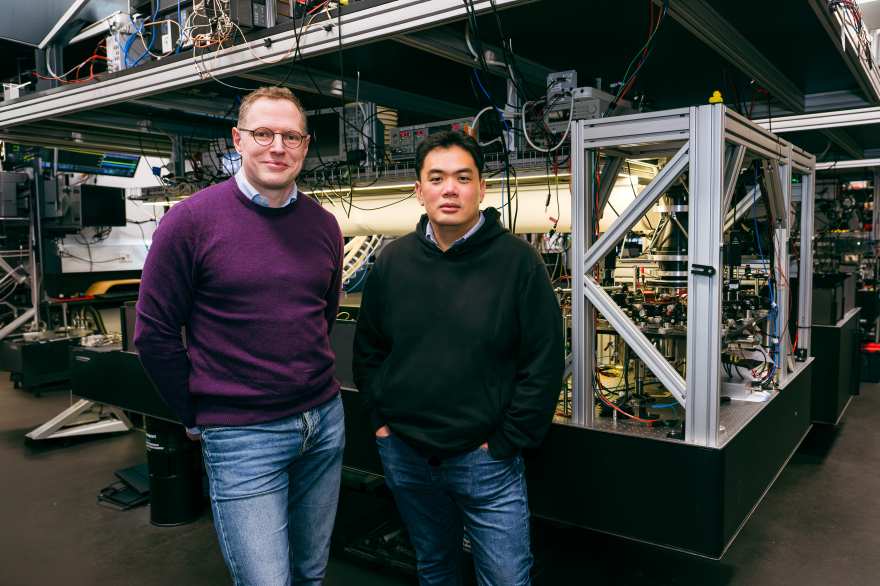
Professor Ivan Kassal and Associate Professor Ting Rei Tan

SQA experts recognised as finalists in the 2026 Australian Museum Eureka Prizes

Congratulations to SQA experts Professor Ivan Kassal and Associate Professor Ting Rei Tan from the University of Sydney Faculty of Science, who have been named finalists in the 2026 Australian Museum Eureka Prizes.

The Prizes are the country’s most comprehensive national science awards, honouring excellence across the areas of research & innovation, leadership, science engagement, and school science.

Their recognition highlights the impact of their pioneering work, which achieved the first quantum simulation of chemical dynamics using real molecules — a significant milestone in demonstrating the potential of quantum computing to model complex molecular processes.

Understanding in real time how atoms interact to form new compounds or interact with light has long been expected as a potential application of quantum technology. Now, quantum chemist Professor Ivan Kassal and Associate Professor Ting Rei Tan, have shown it is possible using a quantum machine at the University of Sydney.

Their innovative approach leverages a novel, highly resource-efficient encoding scheme implemented on a trapped-ion quantum computer. This breakthrough could enable more detailed simulations of chemical reactions and processes involving light, with potential applications across areas such as photosynthesis, DNA damage from UV exposure, photodynamic therapies, cancer research, sunscreen design and improved solar energy systems.

"Our approach is about a million times more resource-efficient, enabling complex chemical dynamics to be studied with far fewer resources than previously thought possible.”

Professor Kassal

Until now, quantum computers have largely been limited to calculating static properties of molecules — such as their energies — while dynamic, time-evolving processes have remained difficult to model due to their complexity. This research pushes the frontier by enabling quantum simulation of how molecules behave when excited by light, including ultrafast electronic and vibrational changes that are challenging for classical computers to accurately or efficiently simulate.

.