Be part of the next revolution in technology

Quantum is not just inspiration for superhero movies and science fiction. From aerospace, cybersecurity and navigation to healthcare, drug discovery, and advanced sensing, quantum technologies have the potential to transform industries and solve complex challenges.  

Quantum technology is rapidly moving from research into commercial applications, creating demand for people who can develop, apply and support these emerging technologies. But the industry also faces a global talent gap. McKinsey estimates that worldwide, for every three quantum computing job openings, there is only one qualified candidate to fill them.  

According to Australia's national science agency, CSIRO, commercialising quantum technologies could create an Australian industry worth $2.2 billion and 8,700 jobs by 2030, generating nearly $6 billion and 19,400 jobs by 2045. 

Australia boasts world-class quantum research capabilities and an emerging quantum technology industry underpinned by the expertise and intellectual property developed in its research institutions. As home to one of the world’s largest concentrations of quantum expertise, Sydney plays a pivotal role in the sector’s national growth. 

What careers exist in quantum technology? 

Quantum is a multidisciplinary field that brings together expertise from many scientific fields, including physics, engineering, chemistry, computer science, mathematics and materials science. As the technology evolves, the field is increasingly broadening out beyond scientific domains to span such areas as business, policy and communications. 

A successful quantum industry requires more than researchers and engineers. With demand for quantum skills growing, the workforce needs people across technical, commercial and enabling roles – from those who develop new technologies and apply quantum solutions, to those who connect research with industry, build businesses, communicate ideas and support responsible adoption. 

Many people enter quantum through their existing discipline and build quantum knowledge through further study, professional development, research experience or hands-on industry programs such as SQA’s Industry Experience Program

Skills from adjacent fields such as photonics, semiconductors, high-performance computing, software and engineering can also provide valuable pathways into quantum. 

Quantum + your skills = your future pathway 

You don’t need to be a quantum physicist or have a PhD to contribute to the quantum sector.  

Recent analysis of quantum job by The Chicago Quantum Exchange found that 55% of quantum technology jobs in its 2022–2023 database required only a bachelor’s degree, an associate’s degree or no degree at all. A separate 2026 study published in EPJ Quantum Technology, analysing 3,641 quantum job postings, found that 34% required a PhD, while 40.1% required a bachelor’s or master’s degree. 

While advanced research roles often require postgraduate qualifications, many quantum careers build on skills developed in other fields.  

Your skills. Your pathway into quantum.

As we approach a new ‘Quantum Age’, there are almost limitless potential applications and career opportunities where you can bring your passion to the world through quantum technologies. Here are just a few!

  • Quantum + business

    Connect quantum research with real-world applications by helping organisations identify opportunities, solve problems and adopt quantum solutions.

  • Quantum + computing

    Develop software, algorithms and tools that help build the next generation of quantum technologies.

  • Quantum + cybersecurity

    Develop new approaches to protecting information and securing future technologies, including quantum cryptography.

  • Quantum + education

    Inspire future generations by teaching quantum concepts, developing learning resources and supporting quantum literacy in the classroom.

  • Quantum + engineering

    Design and build the devices, systems and infrastructure that make quantum technologies possible.

  • Quantum + healthcare and life sciences

    Apply quantum technologies to challenges such as medical imaging, diagnostics and drug discovery.

  • Quantum + marketing and communication

    Help explain complex ideas, build awareness of quantum science and connect quantum innovation with communities and industries.

  • Quantum + science

    Pursue new discoveries in areas such as quantum physics, materials science, chemistry and sensing.

  • Quantum + technology translation

    Connect quantum research with real-world applications by helping organisations identify opportunities, solve problems and adopt quantum solutions. 

Technical careers in quantum 

Researchers, engineers, developers and technical specialists are creating the hardware, software and systems that make quantum technologies possible. 

Technical careers can broadly be grouped into software and hardware, although many roles span both. Within these areas, theorists and experimentalists play complementary roles in advancing quantum science and technology. 

Theorists develop mathematical models, algorithms and theoretical frameworks that help explain quantum phenomena and guide the development of new technologies. 

Experimentalists design, build and test quantum systems and experiments to investigate quantum behaviour and develop new capabilities. 

Ritika at quantum optics lab

Quantum software roles

Quantum software roles focus on designing, developing, testing and optimising software, algorithms, simulations and computational tools that enable quantum technologies and their applications. 

 These roles span quantum computing, sensing and communications, and include developing quantum algorithms, building software platforms, creating scientific tools analysing the performance and limitations of quantum systems, and integrating quantum technologies with existing classical computing environments. 

Quantum software professionals may work with quantum hardware, simulators and classical computing systems. They often collaborate with researchers, engineers, software developers and domain experts to explore how quantum technologies can be applied to real-world problems. 

These careers often build on expertise in software engineering, computer science, mathematics, physics and related fields. 

Career opportunities include: Quantum computing analyst • Quantum software architect • Quantum software engineer • Quantum applications developer • Quantum algorithm developer • Scientific software engineer • Computational scientist • Quantum information researcher • Cybersecurity researcher • Cryptographer • Machine learning specialist • Software developer

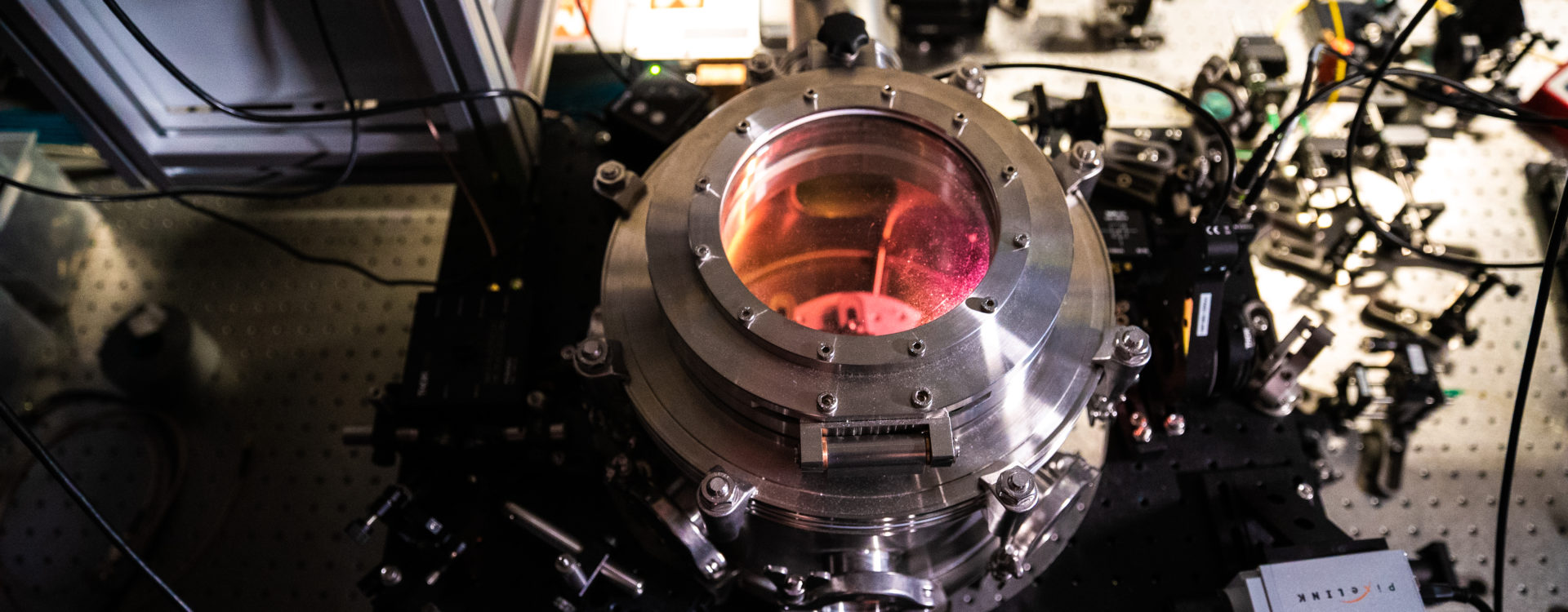
Quantum hardware roles

Quantum hardware roles focus on designing, building, testing, integrating and maintaining the physical technologies that enable quantum systems. 

These roles draw on expertise across physics, engineering, materials science and related fields. Quantum engineering is an emerging discipline that combines engineering principles with quantum science to design and develop the next generation of quantum devices and systems.

Quantum hardware roles span areas such as photonics, quantum optics, nanofabrication, electronics, cryogenics, advanced materials, control systems and manufacturing. 

As quantum systems become more complex, roles focused on integration, testing, control systems and engineering operations are increasingly important. 

Career opportunities include: Quantum engineer • Quantum device physicist • Experimental physicist • Quantum hardware engineer • Photonics or quantum optics engineer • Semiconductor or nanofabrication scientist • Cryogenics engineer • Electronics engineer • Materials scientist • Laboratory technician • Manufacturing technician • Assembly and fabrication specialist • Test and integration engineer

Beyond technical roles: building the quantum ecosystem

As quantum technologies move from research into real-world applications, professionals who can connect technology, business and society will increasingly play an essential role. 

Technology translators help bridge the gap between quantum research and real-world applications. They combine knowledge of quantum technologies with expertise in industry challenges, helping organisations identify opportunities, develop applications and integrate quantum solutions into existing systems.

Career opportunities include: Quantum applications scientist • Quantum solutions architect • Quantum consultant • Technology transfer specialist • Industry engagement specialist • Technical product manager • Domain specialist • Quantum strategist

Commercial, enabling and support roles

A successful quantum industry also needs professionals who support commercialisation, widespread adoption and responsible development of quantum technologies.

Career opportunities include: Business development and partnerships • Product management and development • Project and program management • Commercialisation and entrepreneurship • Business analysis and consulting • Policy and regulation • Communications and marketing • Education and outreach • Legal and intellectual property • Ethics and responsible technology

How can I start preparing for a quantum career? 

Whether you're a high school student exploring future career options, a university student choosing a specialisation, or a professional considering a career change, there are many ways to start gaining the skills and experience needed for a career in quantum. 

You can start by: 

  • Building foundations in subjects such as mathematics, physics, computing or engineering 
  • Developing skills relevant to your pathway, including programming, communication, problem solving or business skills 
  • Seeking practical experience through projects, internships, research opportunities, competitions or industry experiences.  
  • Participating in quantum programs, hackathons, workshops and events to build knowledge and connect with others working in the field. 
  • Connecting with researchers, students and professionals working in the field. Subscribe to the SQA newsletter for the latest updates on how to get involved in upcoming quantum opportunities and events.   
  • Whether you are just starting your studies, building on an existing career or exploring a new field, there are many pathways into quantum. 

    Pathways to a Quantum Future: Study with Australia’s leading experts

    Our programs and scholarships can prepare you for an exciting career in quantum technology.  

    You can study and undertake research with leading quantum experts at our partner universities: Macquarie University, UNSW Sydney, the University of Sydney,  and the University of Technology Sydney.  Course offerings cover all areas of quantum science and technology – from developing new sensors through to communication technologies and of course computing, both on the hardware and software sides.

    Below are a few of the pathways and programs on offer to support you on your journey towards a career in quantum.


    The Quantum Future

    As the demand for quantum technologies continues to surge, the demand for skilled professionals in this field rises in tandem.

    While many quantum experts have roots in quantum physics, the broadening application of quantum technologies means that job opportunities have expanded across various sectors.

    From hardware engineers responsible for constructing and operating the core quantum components, known as qubits, to electronics engineers who are developing interfaces for these qubits. Furthermore, mechanical engineers and software engineers play a vital role in controlling and programming quantum computers.

    Watch the video to delve deeper into the quantum future and the exciting career opportunities it presents.


    Job opportunities

    Subscribe

    Join our mailing list, to stay informed about our news and upcoming events.


    Students talking